WHAT ARE IANC?
Infection Associated Neuropsychiatric Conditions (IANC) are medical conditions in which a bacterial or viral infection triggers an immune response that attacks the brain, causing sudden or lasting changes in mood, behavior, thinking, & movement. These conditions are frequently misdiagnosed as primary psychiatric disorders, leading to years of delayed treatment & devastating consequences for families.


PREVALENCE
The Centers for Disease Control (CDC) suggest that 1 in 200 children may meet criteria for PANS or PANDAS, though the true prevalence remains under-studied.
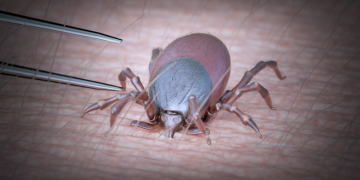
Lyme disease infection has been associated with 5-10% of PANS cases. These conditions typically emerge in early school-age children &, without treatment, can persist & worsen into adulthood.
PANS & PANDAS are not new phenomena – but awareness, clinical recognition, & treatment access remain inadequate. Families often wait years for a correct diagnosis, while children suffer.
SYSTEMIC GAP AT THE INTERSECTION OF MEDICINE
IANC sits at the crossroads of infectious disease, immunology, neurology, psychiatry, & rheumatology - & falls between the cracks of each specialty. Key systemic challenges include:
- Lack of provider education & clinical guidance on IANC recognition
- Limited research into mechanisms & evidence-based treatments
- No coordinated federal framework to address IANC as a unified public health issue
- Insurance barriers to appropriate diagnostic testing & treatment
- Misdiagnosis as primary psychiatric disorders, delaying correct treatment
KEY RESEARCH & RESOURCES
The following peer-reviewed studies & resources provide foundational & emerging evidence for clinical recognition & treatment of IANC.
The U.S. government's overview of PANDAS history, symptoms, & research.

TAKE ACTION
The fight against IANC requires public awareness, federal investment, & clinical recognition. Here is how you can make a difference:
Help us get these PSAs on your local airwaves. Our message can only save lives if it’s seen & heard. Download the Advocacy Outreach Toolkit for everything you need—including scripts & technical codes—to contact your local stations & request they air The IANC Project. Download the Toolkit Here.
- Share this page & the LymeTV campaign with your community.
- Contact your members of Congress to urge support for IANC research funding & a coordinated federal response.
- Support organizations advancing IANC awareness, research, & patient advocacy — including the Center for Lyme Action, the National Alliance for PANS/PANDAS Action (NAPPA), & the PANDAS Network.